
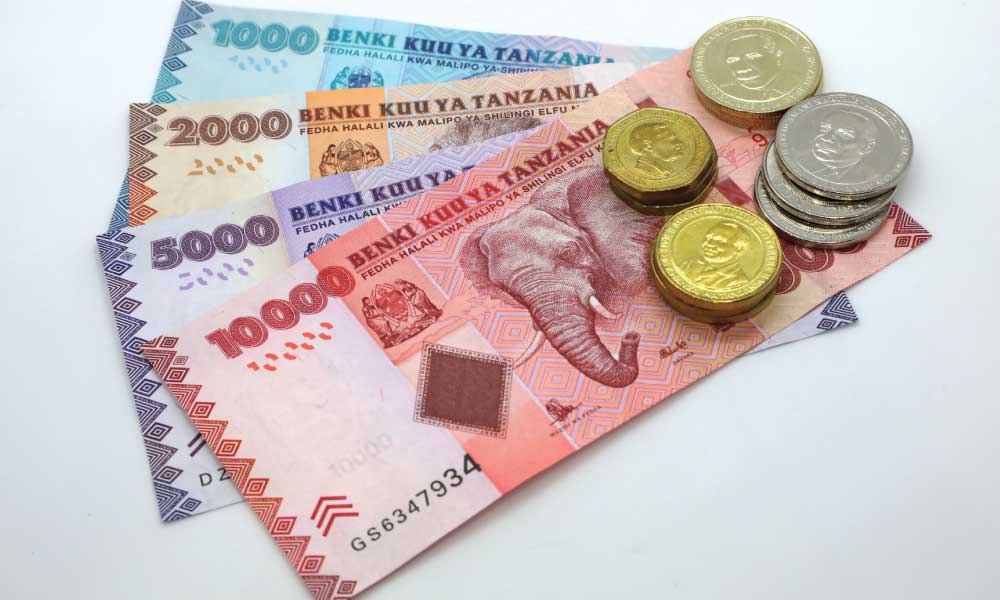
The cost of climbing Mount Kilimanjaro varies significantly, typically ranging from $1,800 to over $5,000 per person.
This variation depends on factors such as the chosen route, duration of the climb, level of service, and the tour operator’s pricing structure.
Budget Operators ($1,800–$2,500): These lower-cost options often cut corners, potentially compromising safety, equipment quality, and fair wages for guides and porters. It’s important to be cautious with operators in this price range, as the reduced costs may come at the expense of ethical practices and overall experience.
Mid-Range Operators ($2,500–$3,500): This price bracket generally offers a balance between cost and quality. Operators typically provide better equipment, more experienced guides, and adhere to ethical treatment of staff. For example, a seven-day Kilimanjaro climb with Follow Alice costs $2,850, including food, camping equipment, and more.
Luxury Operators ($3,500 and above): High-end services in this range may include additional comforts such as private toilets, superior accommodation, and personalized services. While these amenities enhance comfort, they don’t necessarily increase the chances of a successful summit.
It’s essential to consider that park fees and taxes alone can amount to approximately $1,000 per person for a seven-day expedition.
Therefore, extremely low-cost climbs may indicate that the operator is skimping on crucial aspects like safety measures, equipment quality, or fair staff compensation.
When selecting a tour operator, it’s advisable to research thoroughly, considering not only the cost but also the company’s reputation, safety records, and ethical practices. Opting for a mid-range operator often provides a good balance between cost and quality, ensuring a safer and more enjoyable Kilimanjaro experience.